
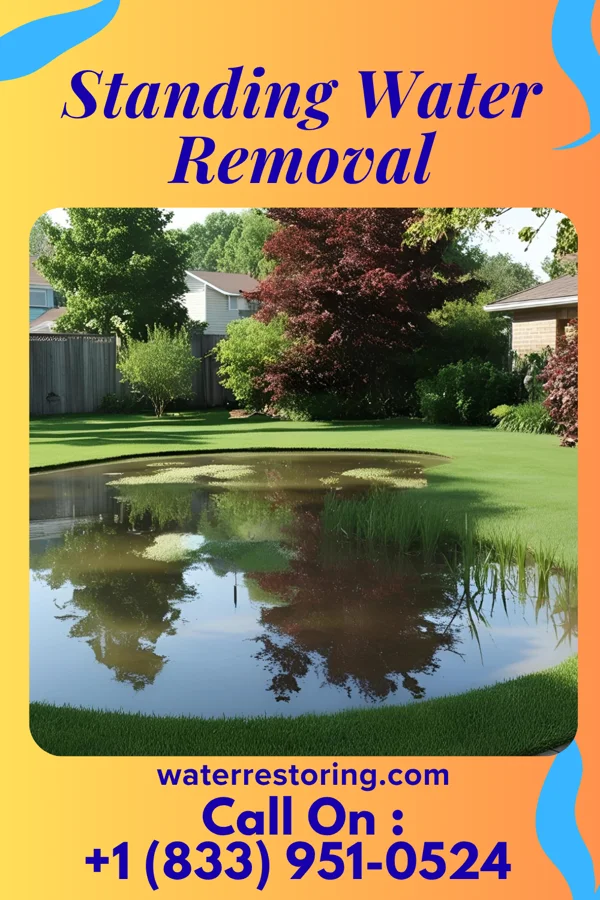
Lower Berkshire Valley Standing Water: What Owners Should Know
Residential or commercial, water damage emergencies in Lower Berkshire Valley keep coming back to the same drivers. In Lower Berkshire Valley, New Jersey, water damage often stems from burst pipes, leaking roofs, and heavy rainfall due to the region's hilly terrain and proximity to the Appalachian Mountains. The rural nature of the area also means that water can accumulate in low-lying areas, especially after prolonged storms. sits at the top of the list. A close second is Secondary causes include faulty sump pumps, groundwater seepage around older homes, and seasonal flooding from nearby streams and rivers. The area's mix of residential and agricultural land increases the risk of water infiltration during heavy precipitation events..
The Lower Berkshire Valley experiences a humid continental climate with significant rainfall in the spring and summer months. This, combined with the area's topography, increases the likelihood of water accumulation and prolonged exposure to moisture, which can lead to mold and structural issues.
Water damage in Lower Berkshire Valley follows a few local patterns. In Lower Berkshire Valley, New Jersey, water damage often stems from burst pipes, leaking roofs, and heavy rainfall due to the region's hilly terrain and proximity to the Appalachian Mountains. The rural nature of the area also means that water can accumulate in low-lying areas, especially after prolonged storms. accounts for the bulk of our calls. The Lower Berkshire Valley experiences a humid continental climate with significant rainfall in the spring and summer months. This, combined with the area's topography, increases the likelihood of water accumulation and prolonged exposure to moisture, which can lead to mold and structural issues. Mold can develop rapidly in the humid environment of Lower Berkshire Valley, especially in older homes with poor insulation. Prompt action is crucial to prevent health risks and costly damage.
For public guidance on the health effects of mold after prolonged water exposure, see the EPA mold and health page.